

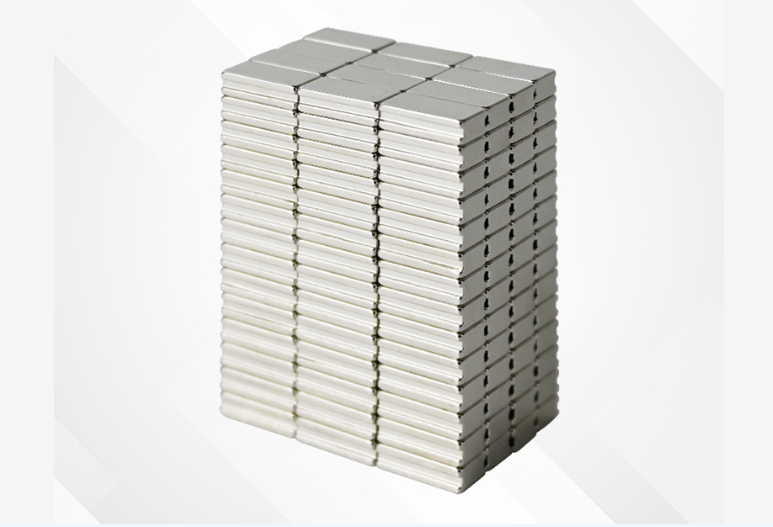
The answer is clear: getting the magnetization direction wrong will definitely seriously affect the usage effect and may even cause the device to fail directly. Neodymium-iron-boron magnets are anisotropic magnets, and the arrangement direction of their internal magnetic domains is already set during manufacturing. Magnetization only aligns and saturates the magnetic domains neatly. If the magnetization is forcibly carried out in a direction that deviates from the established one, not only will the magnetic properties fail to be exerted as expected, but it may also cause a series of problems. This is like screwing a screw in the wrong direction, which not only fails to tighten but may also damage the thread. The wrong magnetization direction of a magnet is essentially like using "magnetic force in the wrong place".
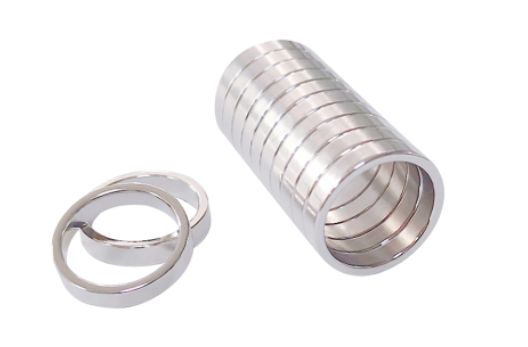
In practical applications, the hazards of incorrect magnetization direction are everywhere. A smart lock manufacturer in Shenzhen once misused neodymium-iron-boron magnets with incorrect magnetization direction, resulting in 12% of 3,000 lock bodies failing to close at low temperatures, with a yield rate of only 88%. After replacing the magnets with the correct magnetization direction, the yield rate soared to 99.7%. In the field of motors, radial magnetization direction deviation can lead to waveform distortion of the back electromotive force, causing torque pulsation and generating harsh noise in the motor. If the bone conduction headphones use the wrong magnetization direction, they will also suffer from serious sound leakage, completely failing to meet the usage requirements.
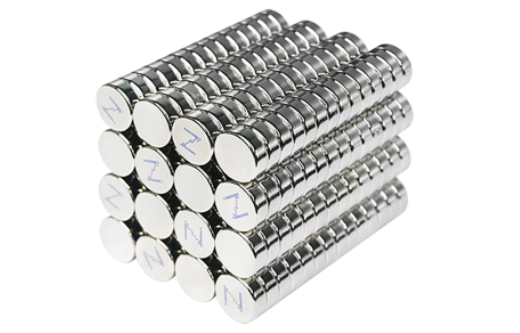
To avoid such issues, there are actually only two key points to consider: First, when selecting the type, it is essential to clarify the requirements and confirm the magnetization direction based on the equipment design drawings. For example, for motor rotors using ring magnets, radial magnetization should be specified, while for sensors using magnets, axial magnetization that matches the sensing direction should be used. Second, it is important to conduct sample testing and perform sampling verification of the magnetic field distribution before mass production. If necessary, request the actual measured demagnetization curve from the manufacturer to ensure that the magnetization direction is fully consistent with the design requirements. Don't let "small details" affect "big performance". Choosing and confirming the correct magnetization direction is crucial to maximizing the value of neodymium-iron-boron magnets.
